| F.T.D. GROUP
F.T.D. Level 1 Those Ground Training Devices previously issued an L.O.A. by AFS-800 and given conferred status under AC 120-45 are now designated as level 1 F.T.D.s and authorized for continued use under § 61.4, effective August 2, 1996. The permissible use of these devices is as originally authorized and shown in Paragraph 11A. through G. of Order 8700.1, Vol. II, Chapter 34, and Section 1. Additional definitions are available in 14 C.F.R. Part 60 Appendix B and D.
|
ATC-510 Desktop Unit
| F.T.D.. Level 2
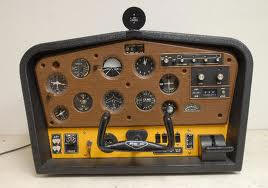
(a.) The purpose of a level 2 training device is to permit learning, development, and the practice of skills and cockpit procedures necessary for understanding and operating the integrated systems of a single set of aircraft. (b.) A level 2 training device has the following characteristics and components: (i.) Instruments, equipment, panels, systems, and controls sufficient for the training/checking events to be accomplished, located in a spatially correct configuration, which may be in a cockpit or an open flight deck area. Actuation of controls and switches must replicate those in the airplane. (ii.) The device must simulate aerodynamic capability and control forces and travel sufficiently to manually fly an instrument approach.
|
| F.T.D. Level 3
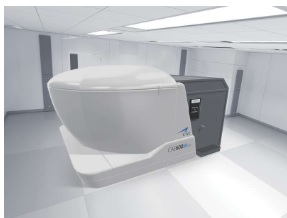
(a.) The purpose of a level 3 training device is to permit learning, development, and the practice of skills and cockpit procedures necessary for understanding and operating the integrated systems of a single set of aircraft. (b.) A level 3 training device has the following characteristics and components: (i.) Same as level 2, but in addition it must have a cockpit, as defined in AC 120-45. (ii.) The navigation controls, displays, and instrumentation must be as set out in 14 C.F.R. part 91, § 91.205, for operation in accordance with instrument flight rules. |
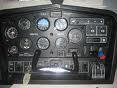
A.T.C. 610 Desktop Unit
| F.T.D. Level 4
(a.) The purpose of a level 4 training device is to permit learning, development, and the practice of skills and cockpit procedures necessary for understanding and operating the integrated systems of a specific aircraft. (b.) A level 4 training device has the following characteristics and components: (i.) A replica of the flight deck panels, switches, controls, and instruments, in proper relationship, to represent the aircraft for which training is to be accomplished. (ii.) Systems indications which respond appropriately to switches and controls which are required to be installed for the training or checking to be accomplished. (iii.)Air/ground logic (however, simulated aerodynamic capabilities are not required.
|
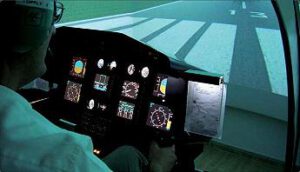
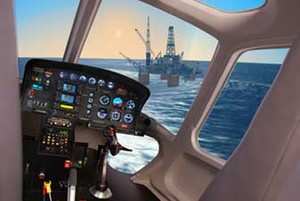
Helicopters Bell 206
http://www.entrol.es/en/simuladores.php
| F.T.D. Level 5
The purpose of a level 5 training device is to permit learning, development, and the practice of skills, cockpit procedures, and instrument flight procedures necessary for understanding and operating the integrated systems of a specific aircraft in typical flight operations in real time. (b.) A level 5 training device has the following characteristics and components: (i.) A replica of the flight deck panels, switches, controls, and instruments, in proper relationship, to represent the aircraft for which training is to be accomplished. (ii.) Systems indications which respond appropriately to switches and controls which are required to be installed for the training or checking to be accomplished. (iii.) Simulated aerodynamic capabilities representative of the aircraft group or class. (iv.) Functional flight and navigational controls, displays, and instrumentation. (vi.) Control forces and control travel of sufficient precision for manually flying an instrument approach. |
| F.T.D. Level 6
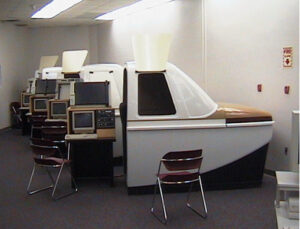
(a.) The purpose of a level 6 training device is: (i.) To permit learning, development, and the practice of skills in cockpit procedures, instrument flight procedures, certain symmetrical maneuvers and flight characteristics necessary for operating the integrated systems of a specific aircraft in typical flight operations; and (ii.) To permit the use of previously approved non visual simulators and the continued use of advanced training devices for those 14 C.F.R. part 135 operators approved to use them. (b.) A level 6 training device has the following characteristics and components: (i.) Systems indications which respond appropriately to switches and controls which are required to be installed. (ii.) A replica of the cockpit of the aircraft for which training is to be accomplished. (iii.) Simulated aerodynamic capabilities which closely represent the specific aircraft in ground and flight operations. (iv.) Functional flight and navigational controls, displays, and instrumentation. (v.) Control forces and control travel which correspond to the aircraft. (vi.) Instructor controls.
|
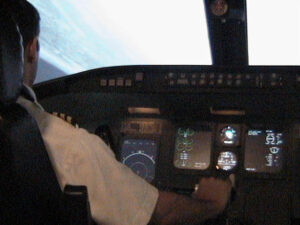
CRJ-65
|
(a.) The purpose of a level 7 training device is to permit learning, development, and the practice of skills in cockpit procedures, instrument flight procedures and maneuvers, and flight characteristics necessary for operating the integrated systems of a specific aircraft in typical flight operations. (b.) A level 7 training device has the following characteristics and components: (i.) Systems representations, switches, and controls which are required by the type design of the aircraft and by the approved training program. (ii.) Systems which respond appropriately and accurately to the switches and controls of the aircraft being simulated. (iii.) Full-scale replica of the cockpit of the aircraft being simulated. (iv.) Correct simulation of the aerodynamic and ground dynamic characteristics of the aircraft being simulated. (v.) Correct simulation of the effects of selected environmental conditions which the simulated aircraft might encounter. (vi.) Control forces, dynamics, and travel which correspond to the aircraft. (vii.) Instructor controls and seat Note: Level 7FTD also have advanced infrared technology for Police Helicopters training.
|
| A.A.T.D.
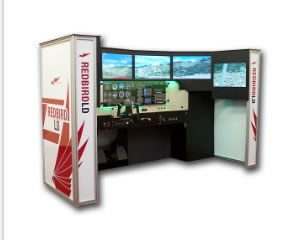
New to the aviation industry is the Basic Aviation Training Device B.A.T.D. and the Advanced Aviation Training Device A.A.T.D. these computer operated flight controls provide single and dual control systems with multiple screens rather than a continuous screen projection, they are in the F.T.D. family of training devices and provide no physical motion, all pitch, bank and roll information is visual on the screen projections. |
SIMULATOR GROUPS
Level A Simulator
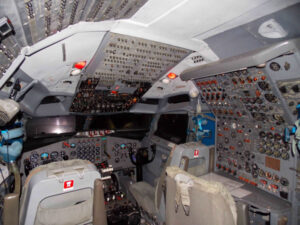
| FAA F.F.S. Level A – A motion system is required with at least three degrees of freedom. Airplanes only. It requires at least three degrees of freedom, a 45 degree outside view replication, and a 300-millisecond response time. Instruments are identical to aircraft being typed rated. Aircraft over 12,500 lbs. require a type rating. |
http://www.panamacademy.com/boeing-707-type-rating-and-training-courses
| Level B Simulator
(a.) The purpose of a level B simulator is to permit development and practice of the necessary skills for accomplishing all required training and certification maneuvers and procedures, to a prescribed standard of airman competency, in a specific aircraft. (b.) Level B flight simulators have the following characteristics and components: (i.) Systems representations, switches, and controls which are required by the type design of the aircraft and by the users approved training program. (ii.) Systems which respond appropriately and accurately to the switches and controls of the aircraft being simulated.
|
http://www.aerosimulators.com/en/configurations-flighttraining/ffsb-flighttraining.html
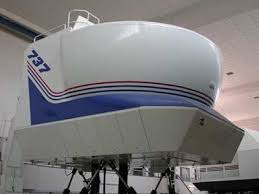
| Level C Simulator
(a.) The purpose of a level C simulator is to permit development and practice of the necessary skills for accomplishing all required training and certification maneuvers and procedures, to a prescribed standard of airman competency, in a specific aircraft. All training and testing tasks may be conducted in a level C flight simulator for persons who meet certain experience requirements outlined in 14 C.F.R. Part 142 and FAA Order 8700.1, volume 2, chapter 148. (b.) Level C flight simulators have at least the following characteristics and components: (i.) Systems representations, switches, and controls which are required by the type design of the aircraft and by the users approved training program. (ii.) Systems which respond appropriately and accurately to the switches and controls of the aircraft being simulated. (iii.) Full-scale replica of the cockpit of the aircraft being simulated. (iv.) Correct simulation of the aerodynamic (including ground effect), and ground dynamic characteristics of the aircraft being simulated. (v.) Correct simulation of the effects of selected environmental conditions which the simulated aircraft might encounter. (vi.) Forces, dynamics, and travel which correspond to the aircraft. (vii.) Instructor controls and seat. (viii.) At least a night and dusk visual system with a minimum of a 75° horizontal by 30° vertical field of view for each pilot station. (ix.) A motion system with at least 6° of movement.) Full-scale replica of the cockpit of the aircraft being selected simulation of the aerodynamic (including ground effect) and gyro-characteristics of the aircraft being simulated.
|
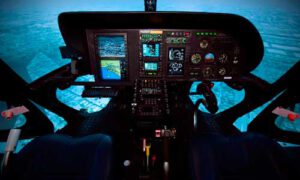
Eurocopter AS350
http://www.eurocopterusa.com/index/index.asp
https://www.flightsafety.com/fs_index.php?sw=1024&sh=768
| Level D Simulators
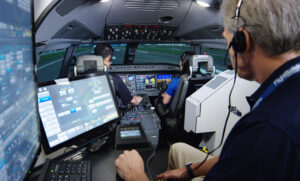
(a.) The purpose of a level D simulator is to permit development and practice of the necessary skills for accomplishing all required training and certification maneuvers and procedures, to a prescribed standard of airman competency, in a specific aircraft. Level D flight simulators may be used for all flight task training and practical testing except for static aircraft training, for pilots who meet certain experience requirements outlined in Part 142 and FAA Order 8700.1, volume 2, chapter 148. (b.) Level D flight simulators have the following characteristics and components: (i.) Systems representations, switches, and controls which are required by the type design of the aircraft and by the user’s approved training program. (ii.) Systems which respond appropriately and accurately to the switches and controls of the aircraft being simulated. (iii.) Full-scale replica of the cockpit of the aircraft being simulated. (iv.) Correct simulation of the aerodynamic (including ground effect) and ground dynamic characteristics of the aircraft being simulated. (v.) Correct simulation of selected environmentally-affected aerodynamic and ground dynamic characteristics of the aircraft being simulated considering the full range of its flight envelope in all approved configurations. (vi.) Correct and realistic simulation of the effects of environmental conditions which the aircraft might encounter. (vii.) Control forces, dynamics, and travel which correspond to the aircraft. (viii.) Instructor controls and seat. (ix.) A daylight, dusk, and night visual system with the minimum of a 75° horizontal by 30° vertical field of view for each pilot station. (x.) A motion system with at least 6° of freedoms.
|
BEECH 1900 Simulator Full Motion
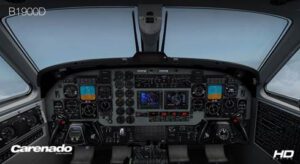
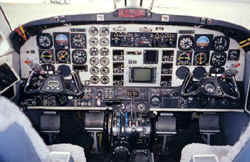
http://www.flight1.com/products.asp?product=carendob1900d
Shuttle Full Motion Simulator Level D
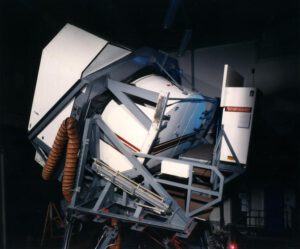
Shuttle Instrument Panel
Space Shuttle Discovery – 360VR Images
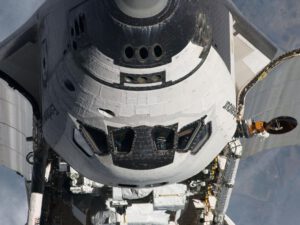
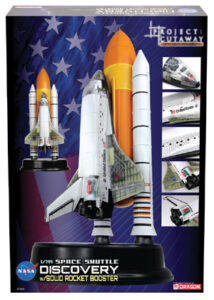
| A replica of the Space Shuttle Discovery (OV-103), this 1/144 scale Dragon Wings model has clear plastic parts to reveal thinner workings of the shuttle! You also get finely textured surfaces, realistic engine exhaust nozzles, two prototypical Solid Rocket Boosters (resembling the type that launched the Space Shuttle into orbit from 1981 to 2011), authentic NASA markings, and more. 18 ” tall; includes a display stand.
Space Shuttle “Discovery” w/Rocket Boosters 1/144 Model Item # 0097928 Unit Price: $189.95
|
Banner Link Below